The Dunning-Kruger Effect in the Interpreting World
As a seasoned interpreter who has worked across five continents and with dozens of languages in high-stakes environments, I’ve seen brilliance — and I’ve seen well-meaning overconfidence derail entire events.
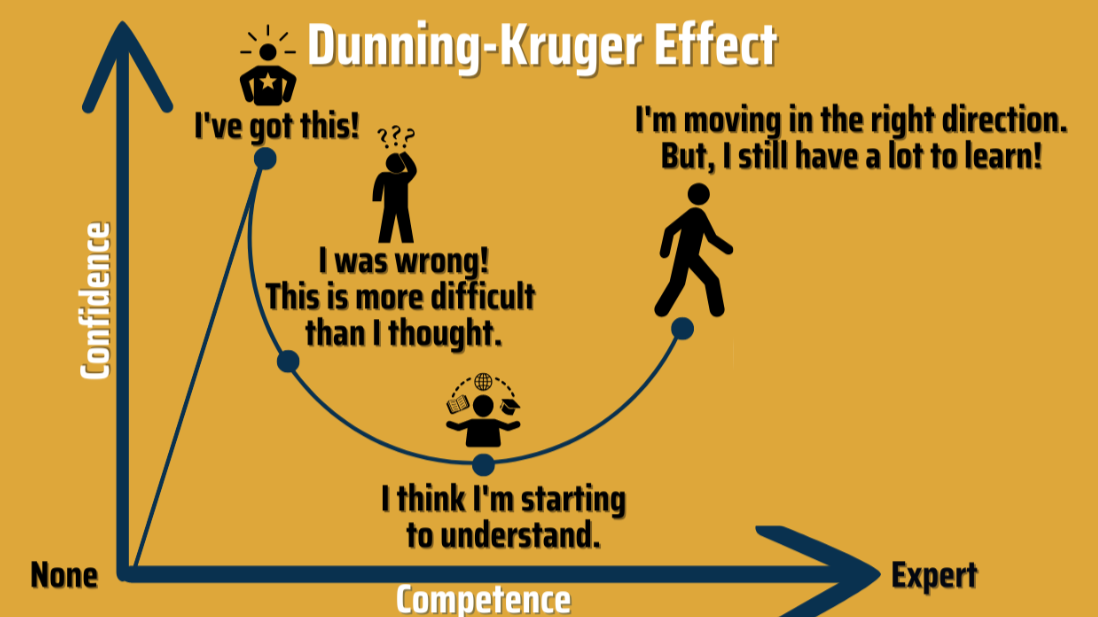
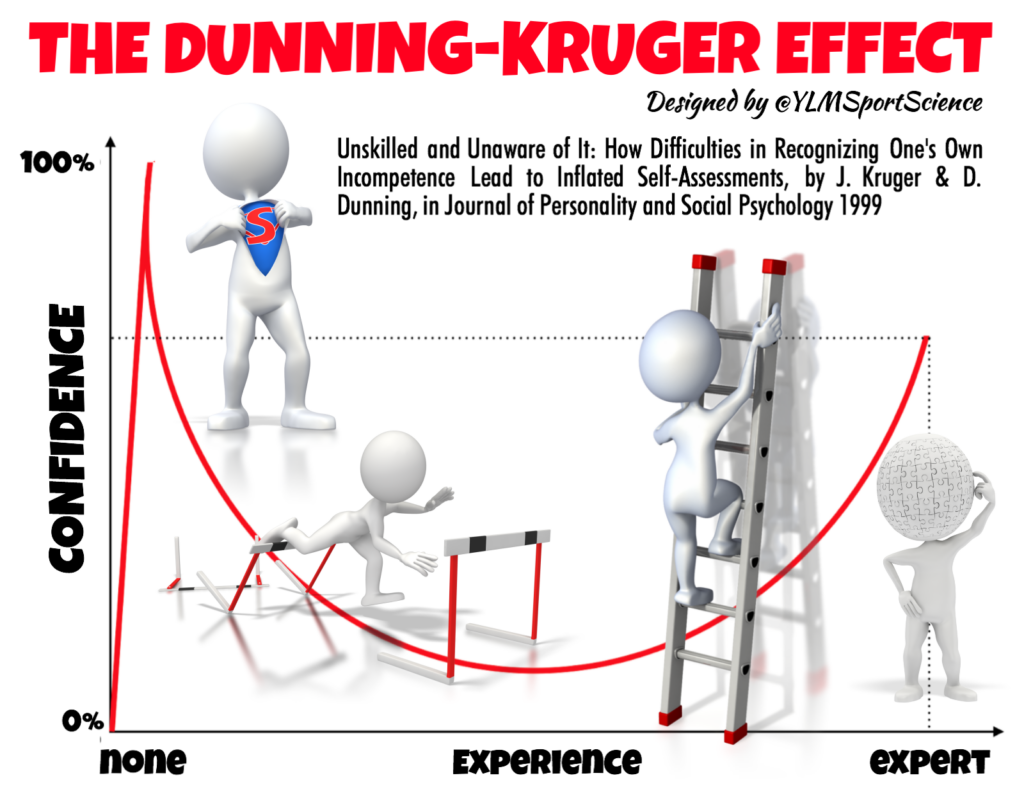
One cognitive bias that we in the booth know all too well is the Dunning-Kruger Effect: the tendency for individuals with limited knowledge in a domain to overestimate their competence, while true experts often underestimate theirs. In interpreting, this psychological phenomenon is not just theoretical — it’s operational. And it has real-world consequences.
“But I’m bilingual… I can interpret!”
This is the classic refrain. A bilingual individual assumes that fluency in two languages is equivalent to the skill of simultaneous interpretation. It’s understandable — speaking two languages is already a remarkable feat, and bilinguals often serve as informal interpreters in their families and communities.
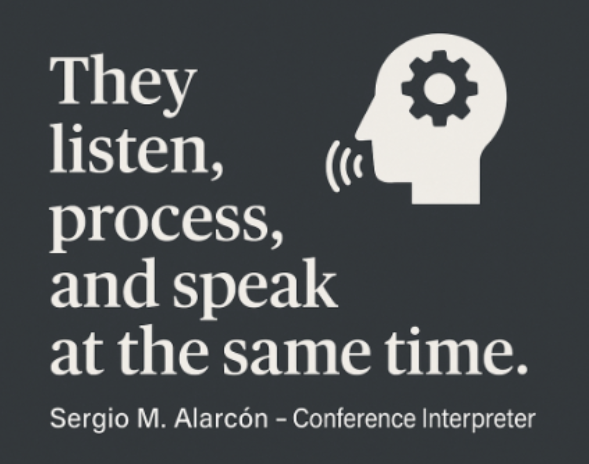
But conference interpreting is another universe entirely. It demands split-second decision-making, encyclopedic knowledge, cultural agility, and the ability to synthesize, prioritize, and deliver meaning without delay. It’s like playing high-speed chess while doing a live translation of the rules in both directions.
And yet — many bilinguals overestimate their skill.
That’s the Dunning-Kruger effect at play: not knowing how much they don’t know. Without formal training, practice, or exposure to professional standards, they may feel very confident. Until, of course, they sit in the booth for the first time and the speech begins…
On the Other Hand: The Expert’s Self-Doubt
Curiously — and almost poetically — professional interpreters often underestimate their ability. The more we learn, the more we become aware of what could go wrong: the nuances missed, the idioms unrendered, the tone flattened. We know that even on a “perfect” day, we are skating on the edge of human cognition.
This humility, though it can border on imposter syndrome, is the mark of the professional. We prepare exhaustively, we consult colleagues, we review tapes, and we agonize over terminology — not because we’re insecure, but because we know just how complex and fragile our task is.
So What Can Be Done?
1. Distinguish Between Bilingualism and Professional Interpreting: Fluency is a prerequisite, not a qualification. Interpreting requires training, standards, and yes — practice under pressure.
2. Educate Clients and Event Organizers: Don’t assume your bilingual niece or a multilingual assistant can replace a trained interpreter. It may save money in the short run — but at what cost to diplomacy, business, or clarity?
3. Support Emerging Interpreters with Mentorship: Those of us with years in the booth must take time to guide new interpreters through the thresholds of competence. There is no shame in being new — only in being unaware of what one doesn’t yet know.
4. Normalize Ongoing Training: Even after decades, I still attend workshops. Interpreting evolves — so should we.
Let’s respect the craft. Let’s support excellence. And let’s never confuse confidence with competence.
Because when it comes to interpreting, the less you know, the better you may think you are — and the more you know, the more you realize how careful you must be.

Sergio is a chemical microbiologist, licensed interpreter, and the founding president of Colegio Mexicano de Intérpretes de Conferencias.
Click on the WhatsApp icon below and talk to us to help us understand your needs for efficient communications solutions. No sales pitch! Just a free consultation call.